Optimal Timing for Water Treatments
Water treatments are essential for maintaining water quality and ensuring the safety of water supplies. Proper timing of treatments can optimize effectiveness and prevent issues such as scaling, corrosion, and microbial growth. The timing depends on factors like water source, usage patterns, and seasonal changes.
Spring and fall are ideal for comprehensive water system assessments and treatments to prepare for seasonal demand changes.
Treatments before summer or winter can prevent temperature-related water quality issues and extend equipment lifespan.
Water treatments should be scheduled after repairs or maintenance to ensure system integrity and water safety.
During periods of increased water use, treatments can address potential contamination and scaling problems.
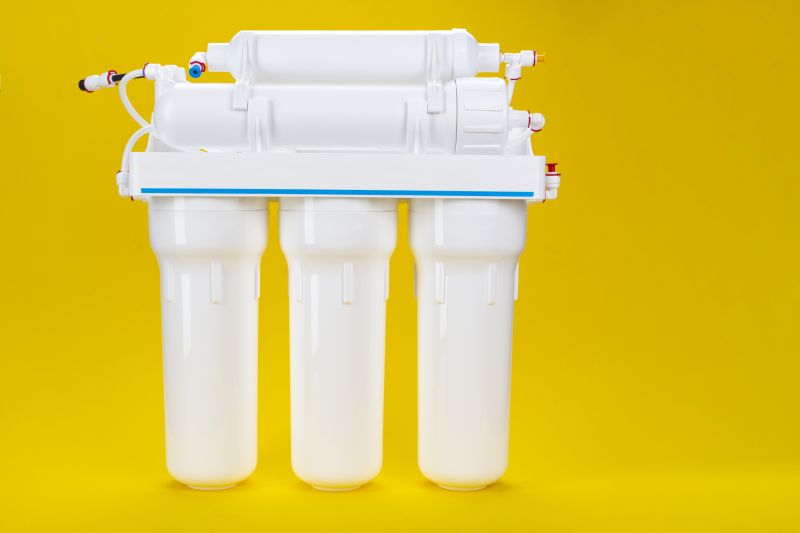
Advanced systems for water purification and treatment processes.
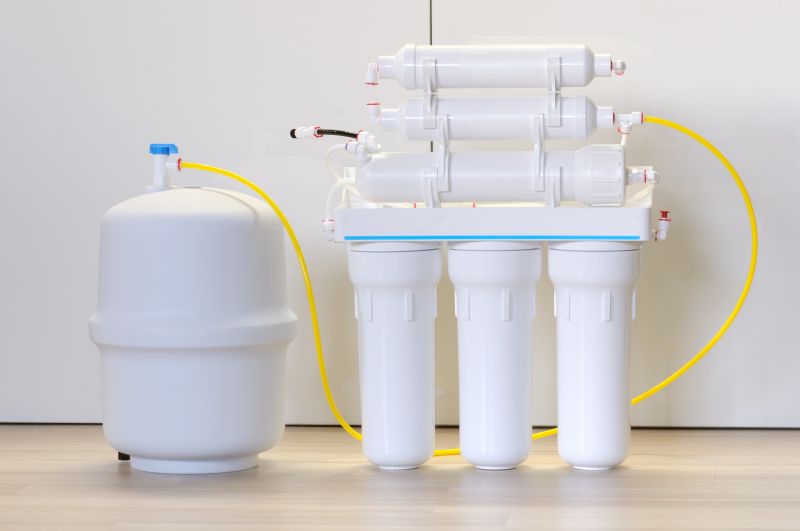
State-of-the-art facilities for analyzing water quality.
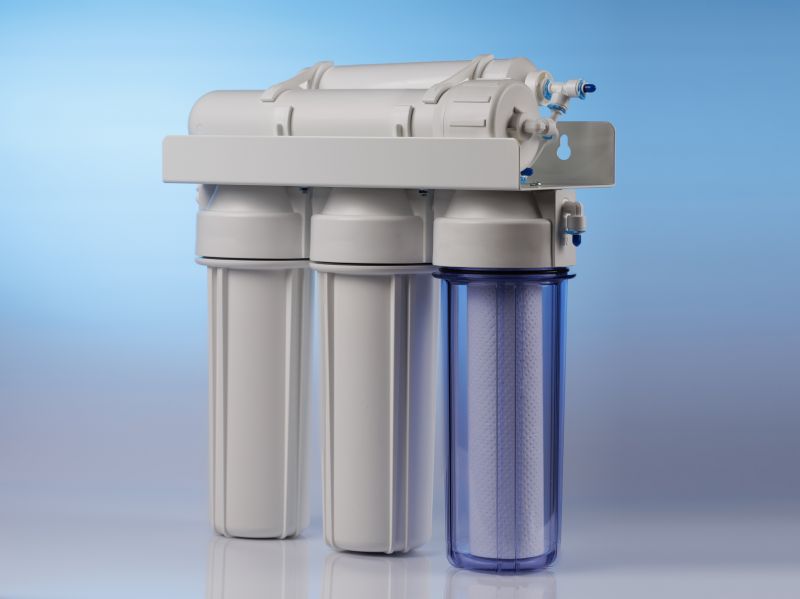
Professional installation of water treatment systems.
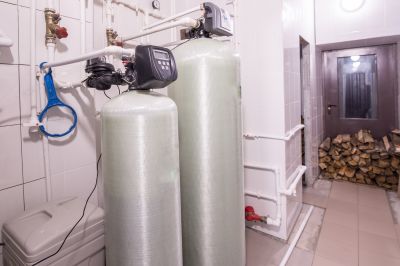
Ways to make Water Treatments work in tight or awkward layouts.
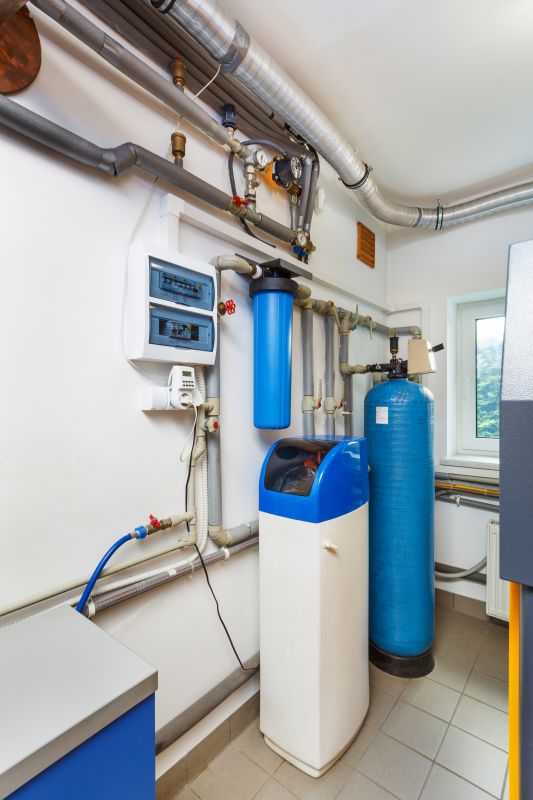
Popular materials for Water Treatments and why they hold up over time.

Simple add-ons that improve Water Treatments without blowing the budget.
| Optimal Timing | Key Considerations |
|---|---|
| Spring and Fall | Prepare for seasonal demand and prevent buildup. |
| Before Summer/Winter | Address temperature-related issues. |
| Post-Maintenance | Ensure system safety after repairs. |
| High Usage Periods | Manage increased contamination risks. |
| System Start-Up | Ensure water quality from the beginning. |
| Post-Repair | Restore system integrity. |
| Pre-Inspection | Ensure compliance and water safety. |
| Routine Maintenance | Maintain water quality regularly. |
Water treatments involve various processes such as filtration, disinfection, and chemical adjustments to improve water quality. Proper timing ensures these processes are most effective, helping to prevent issues like scale buildup, corrosion, and microbial contamination. Regular treatments tailored to seasonal and usage patterns can extend the lifespan of plumbing and equipment, reduce maintenance costs, and ensure safe water for consumption and use.
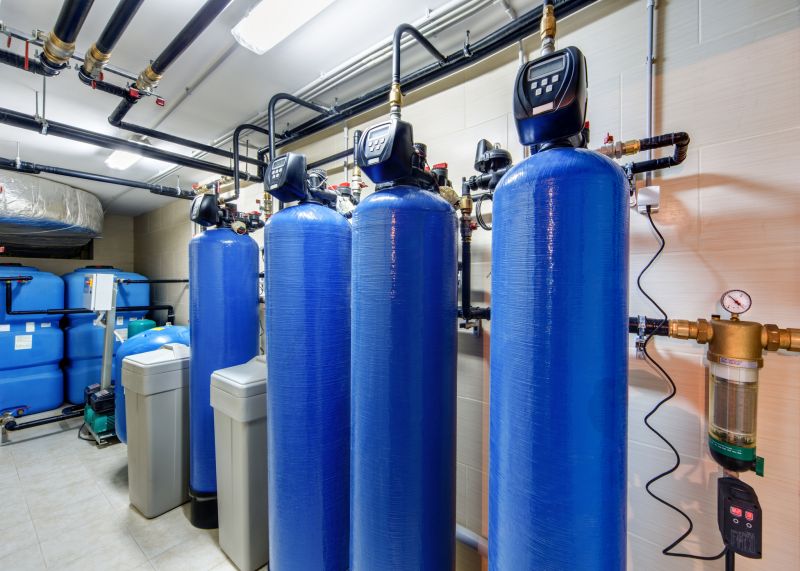
Facility for large-scale water purification.
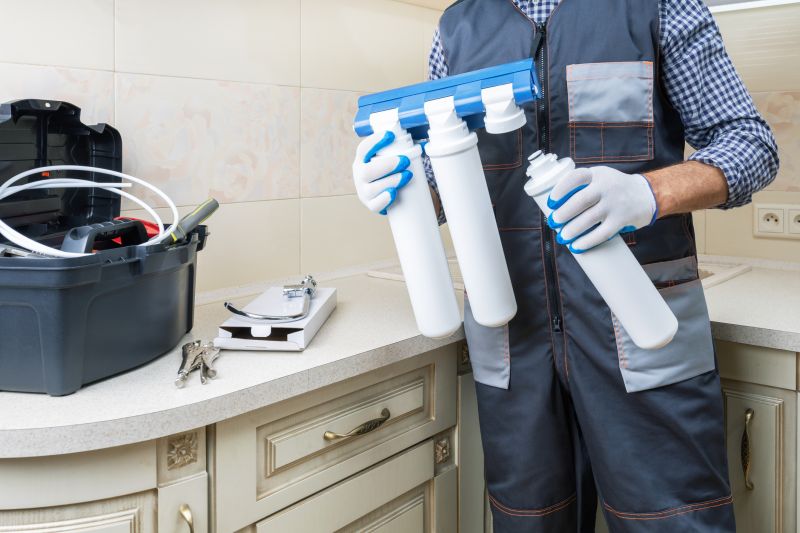
Application of disinfectants to eliminate pathogens.
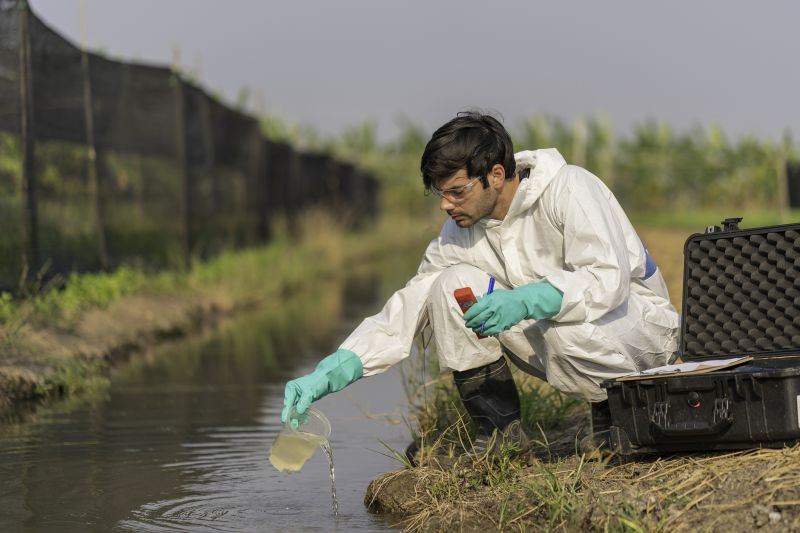
Monitoring water parameters for safety.
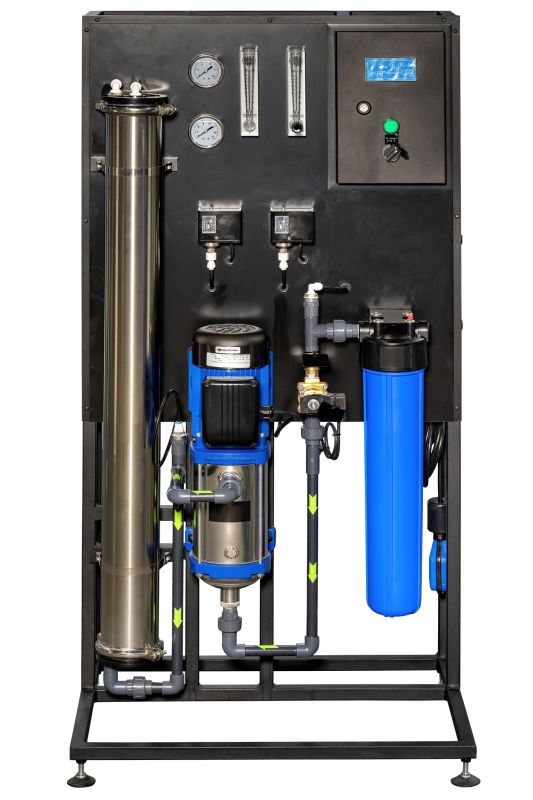
Tools for adding treatment chemicals.
Understanding the optimal timing for water treatments can significantly impact water quality management. Implementing treatments at the right times helps prevent common issues such as scale formation, corrosion, and microbial growth. Regular assessment and adjustment of treatment schedules ensure water systems operate efficiently and safely, reducing long-term costs and maintaining compliance with health standards.
Regular testing to determine treatment needs.
Precise dosing of treatment chemicals.
Removing particulates and contaminants effectively.
Chlorination, UV, and ozonation options.
Filling out a contact form can provide detailed information about specific water treatment needs and scheduling. Proper timing and treatment methods are crucial for maintaining water quality, safety, and system longevity. Consulting with water treatment professionals can help determine the most effective treatment schedule tailored to individual requirements.